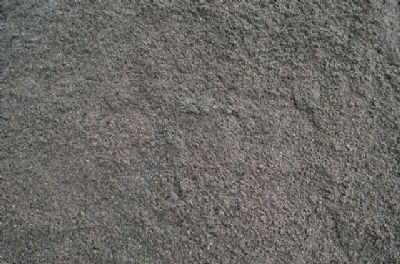
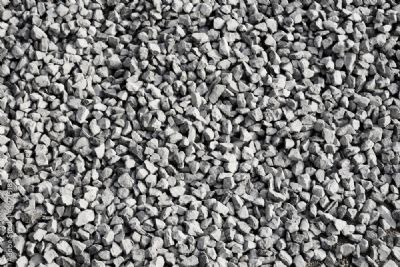
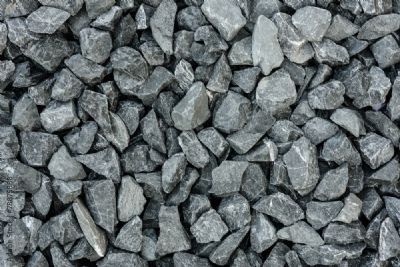
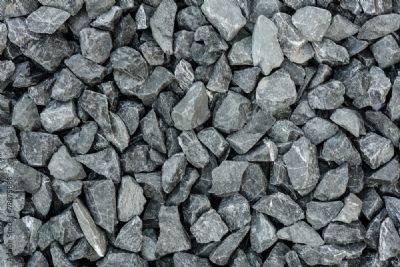
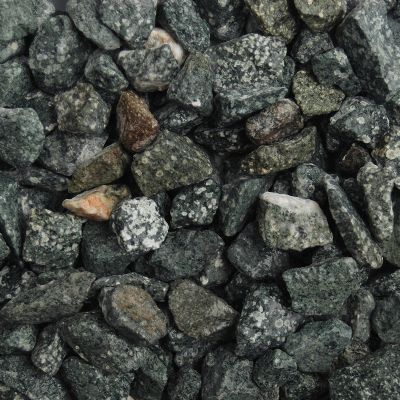
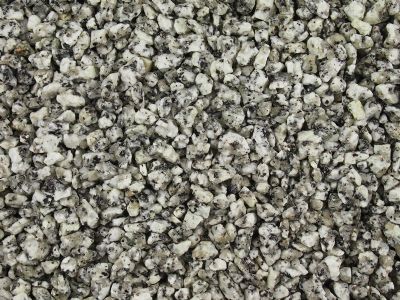
Crushed granite is a durable and versatile construction material derived from granite rock. It is created by breaking down granite rock into smaller pieces through mechanical processes such as quarrying and crushing. Here are some key aspects of crushed granite:
Composition
Minerals: Granite is composed mainly of quartz, feldspar, mica, and other minerals, which contribute to its hardness and durability. Texture and Appearance
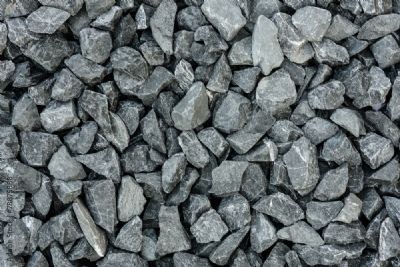
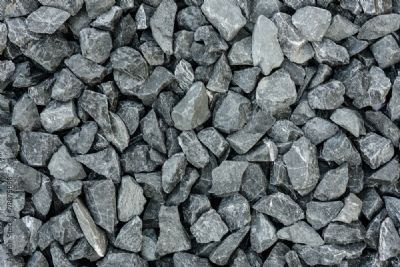
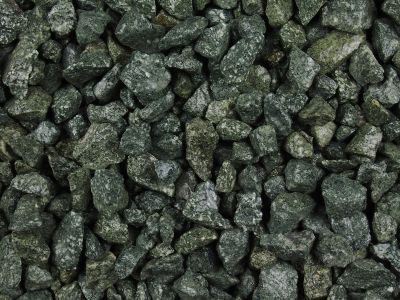
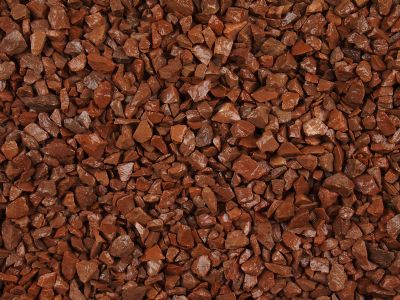
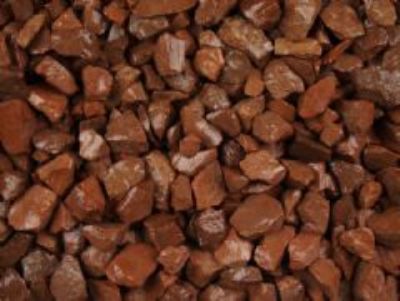
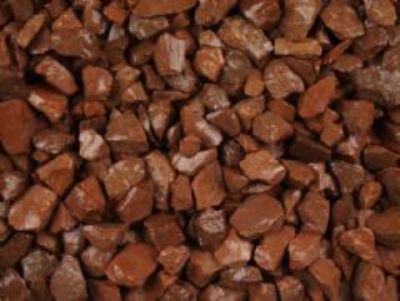
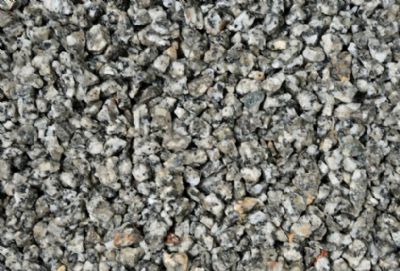
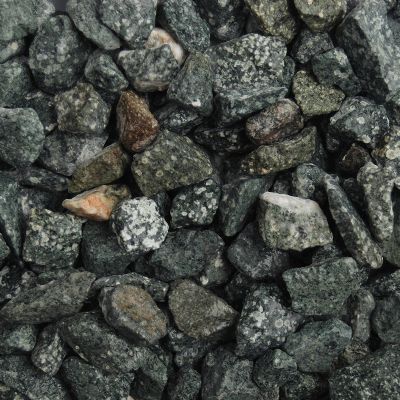
Granular: Crushed granite has a rough, granular texture. Color: It can vary in color from shades of gray, black, and white to pinks and reds, depending on the mineral composition of the original rock. Sizes
Variety of Sizes: It is available in various sizes, from fine particles (similar to sand) to larger chunks (like gravel). Common sizes include 1/4", 1/2", and 3/4" pieces.
What is crushed Granite used for
Crushed granite is a popular material used in a variety of applications, including landscaping, driveways, pathways, and as a base material for construction projects. Its durability, natural beauty, and versatility make it a sought-after choice for both residential and commercial projects.
Landscaping
-Pathways and Walkways: Used to create durable and aesthetically pleasing paths. -Mulch Alternative: Serves as an alternative to organic mulch, helping to retain soil moisture and reduce weed growth. -Decorative Elements: Used in garden beds and around trees and plants to enhance visual appeal.
Construction and Infrastructure
-Base Material: Used as a base layer for roads, driveways, and patios due to its stability and excellent drainage properties. -Concrete Production: Mixed with cement and other aggregates to produce concrete. -Railroad Ballast: Provides stability and drainage for railway tracks. -Erosion Control
Drainage Systems
-French Drains: Used in the construction of French drains and other drainage systems to facilitate water flow and prevent flooding.
Residential and Commercial Projects
-Driveways: Popular for creating durable and low-maintenance driveways. -Patios and Courtyards: Used in the construction of patios and courtyards for a rustic, natural look.
Stabilization: Helps in stabilizing slopes and preventing soil erosion along roadsides and waterways.