Introduction Rock salt is a fascinating mineral that plays a significant role in various industries and everyday life. Found abundantly in the UK, it is highly valued for its numerous uses and benefits. In this article, we will explore what rock salt is, its formation, and its diverse applications.
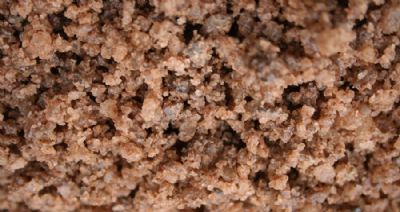
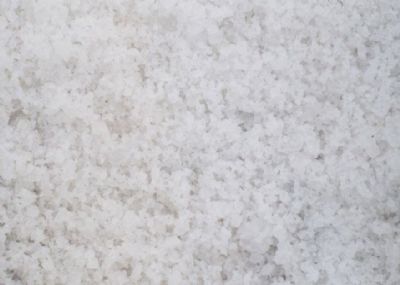
What is Rock Salt? Rock salt, scientifically known as halite,It is a sedimentary rock that forms through the evaporation of saline water bodies, such as ancient seas and inland salt lakes. The distinctive cubic crystal structure of rock salt makes it easily identifiable.
Formation of Rock Salt The formation of rock salt dates back millions of years when ancient oceans covered parts of the UK. As these bodies of water evaporated, they left behind vast deposits of salt. Over time, these deposits were buried under layers of other sediments, resulting in immense pressure and high temperatures that compressed the salt into solid rock.
Abundance of Rock Salt in the UK The UK is fortunate to have vast reserves of rock salt. These reserves are primarily found in underground formations, particularly in counties like Cheshire, County Antrim, and County Durham. The UKs favorable geology has made it one of the leading producers and exporters of rock salt.
Industrial Applications 1.Road De-icing: One of the most common applications of rock salt in the UK is for road de-icing during winter. The coarse texture of rock salt helps to break the bond between ice and pavement, making the roads safer for travel. The salt lowers the freezing point of water, preventing the formation of ice + Rock salt is spread on roads using specialized equipment, ensuring effective ice melting and improved traction for vehicles + It is cost-effective and widely used across the UK during cold winter months.